
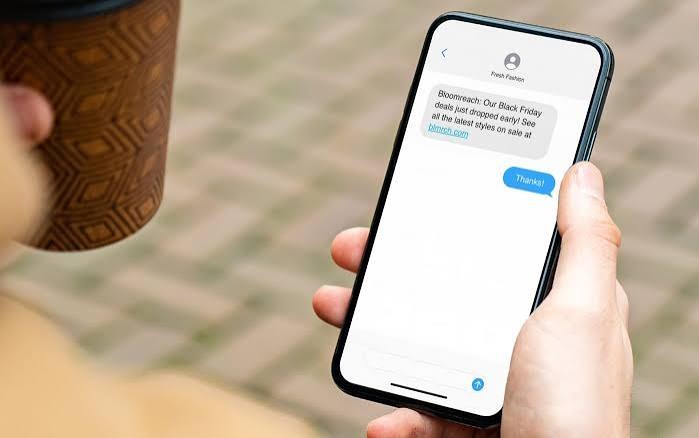
In today’s globalized world, staying connected while traveling is more important than ever. Whether for business or leisure, maintaining seamless communication can enhance the travel experience and ensure peace of mind. Two popular solutions have emerged to address the need for reliable connectivity: short-term phone numbers and travel eSIMs. Each option offers distinct advantages and potential drawbacks, making it essential to understand their features before making a choice.
Short-term phone numbers are temporary lines that travelers can use during their trips. These numbers are often local to the destination country, allowing users to make calls and send texts at local rates without incurring hefty roaming charges from their primary Short Term Number carriers. One significant advantage of short-term numbers is cost-effectiveness; they provide an economical solution for those who require voice services frequently during their travels. Furthermore, having a local number can facilitate easier communication with locals and service providers within the destination country.
However, short-term numbers come with limitations. Primarily, they necessitate carrying an additional SIM card or even another device if one’s phone does not support dual-SIM functionality. This requirement can be inconvenient for travelers who prefer minimal luggage or technology on-the-go. Additionally, managing multiple contact points—such as informing friends, family, or colleagues about a temporary number—can be cumbersome.
On the other hand, travel eSIMs offer a modern alternative that leverages digital technology to streamline connectivity abroad. An eSIM is an embedded SIM card that allows users to switch between different carriers without physically changing SIM cards in their devices. Travel eSIMs enable individuals to purchase data plans tailored specifically for international use directly from their smartphones through dedicated apps or websites.
The convenience of travel eSIMs cannot be overstated; they eliminate the need for physical cards and allow instant activation upon arrival at a new destination. This feature makes them highly appealing to tech-savvy travelers who value flexibility and efficiency in managing mobile services abroad.
Nevertheless, there are considerations when opting for an eSIM solution as well. While data plans offered by travel eSIM providers may cover extensive regions worldwide at competitive prices compared with traditional roaming fees charged by home networks back home—they may not always include voice call capabilities unless specified differently beforehand which could lead some users requiring VoIP applications instead thus adding extra steps into process overall especially given limited internet access situations encountered sometimes internationally too!
Ultimately choosing between these options depends largely upon individual preferences regarding ease-of-use versus comprehensive service coverage needs along journey itself but both remain viable choices ensuring uninterrupted communications wherever adventures might take you next!